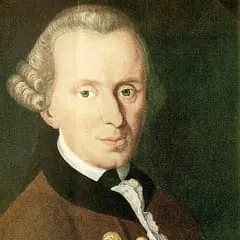
Historical figure1724–1804
Immanuel Kant on the 12 Axes test
This is where Immanuel Kant sits on the twelve axes of the 12 Axes test, judged by what they argued for and what they did. It is an editorial estimate.
German philosopher (1724-1804)
Read more on WikipediaName, dates and description from Wikidata
Twelve-axis profile
Government
Structure · Federal
Representation · Democratic
Power · Liberal
Diplomacy
Intervention · Internationalist
Military · Pacifist
Immigration · Balanced
Economy
Economy · Market liberal
Control · Market-leaning
Trade · Free trader
Society
Religion · Balanced
Culture · Moderate
Technology · Tech optimist
Immanuel Kant on the political compass
Libertarian right
Economic +3.0 · Authority −3.0
Economic runs from −10 (left) to +10 (right), authority from −10 (libertarian) to +10 (authoritarian). Both come from the Economy and Power axes; a score in the Balanced band counts as centre. How the political compass works
Nearest countries


Countries are placed by how they are governed today, and figures by what they argued for and did. The placements are editorial estimates, and the three matches are separate comparisons. Methodology · Image credits